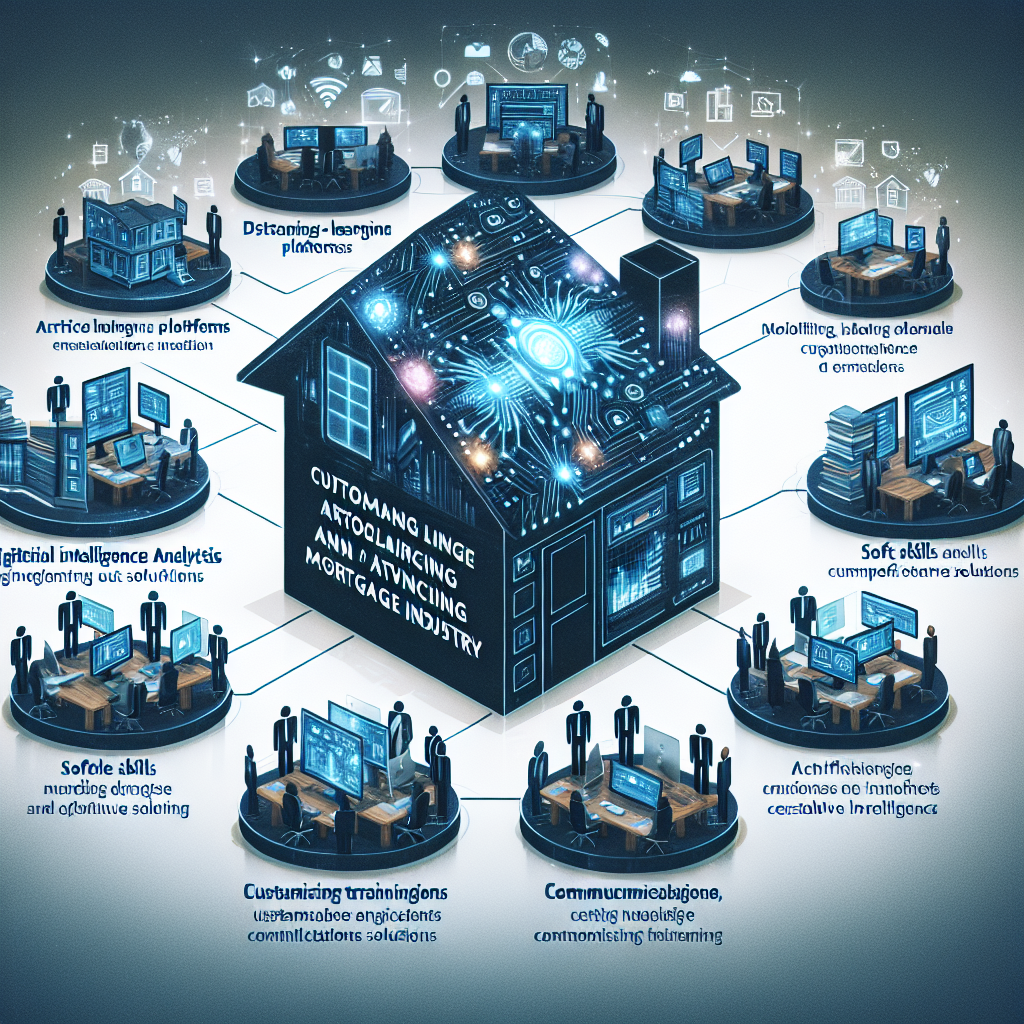
 Explore how technology is transforming mortgage originations by integrating digital applications, AI, machine learning, and blockchain to enhance processes and improve client experiences.
The mortgage industry is currently witnessing a dramatic shift in the way loan originations are conducted. As technology becomes more advanced, mortgage originators are increasingly adopting new tools to streamline the process, offering clients a more efficient experience.
In recent years, many institutions have adopted digital mortgage applications that allow borrowers to complete their loan applications online. This move not only reduces the paperwork but also accelerates the approval process, allowing borrowers to secure home loans with minimal hassle. A prime example is the adoption of e-signature platforms, which has enabled the mortgage documents to be signed electronically, thus speeding up the entire process.
A notable case that exemplifies the success of adopting technology in mortgage originations is Rocket Mortgage by Quicken Loans. Back in 2015, Rocket Mortgage revolutionized the industry by allowing clients to get approved for a mortgage entirely online. This innovation set a new standard and prompted other mortgage originators to upgrade their systems.
Moreover, artificial intelligence and machine learning are increasingly being harnessed to assess borrower creditworthiness more accurately. These technologies can analyze vast amounts of data to provide lenders with insights into a borrower's financial behavior, ultimately reducing the risk of lending and enhancing decision-making processes.
Blockchain technology is another groundbreaking trend contributing to a significant transformation within the mortgage origination landscape. Its capability to provide a transparent, immutable ledger helps in verifying property records and transaction history, thus eliminating fraud concerns and ensuring the integrity of records.
For example, IBM partnered with several banking institutions to explore the potential of blockchain technology in mortgages. Their findings suggested that integrating blockchain can drastically cut costs and enhance the verification process efficiency by eliminating intermediaries.
Still, the technological shift is not just about enhancing processes for lenders; customers benefit significantly through enhanced interfaces of mobile applications that allow them to track their application status, submit necessary documentation, and communicate directly with lenders.
It's vital for mortgage originators to stay ahead in this fast-paced digital environment by investing in technological advancements. They need to ensure their staff is adequately trained to navigate these new systems and tools effectively, thus assuring customers of their commitment to delivering excellent service.
As the industry collectively moves towards a more digitized mortgage process, it is crucial for lenders to maintain an appropriate balance between technology and personalized service. While technology facilitates convenience, the human touch remains invaluable in offering tailored advice and reassurance to borrowers navigating these significant financial decisions.
Overall, the integration of technology in mortgage originations is undeniably reshaping the industry, enhancing efficiency and improving the client experience. Future developments hold promises for even more groundbreaking changes, enabling the industry to cater to the evolving needs of borrowers.
-
 Innovative Approaches in Mortgage Origination Amid Changing Market Dynamics
 Explore the latest trends in mortgage origination, focusing on digital transformation, personalized lending, and innovative strategies in a changing real estate market.
Estimated reading time: 2 minutes, 21 seconds
The Shift in Mortgage Originations: Embracing Technology for a Seamless Experience Featured
MOST READ STORIES



Fast,Easy & Free