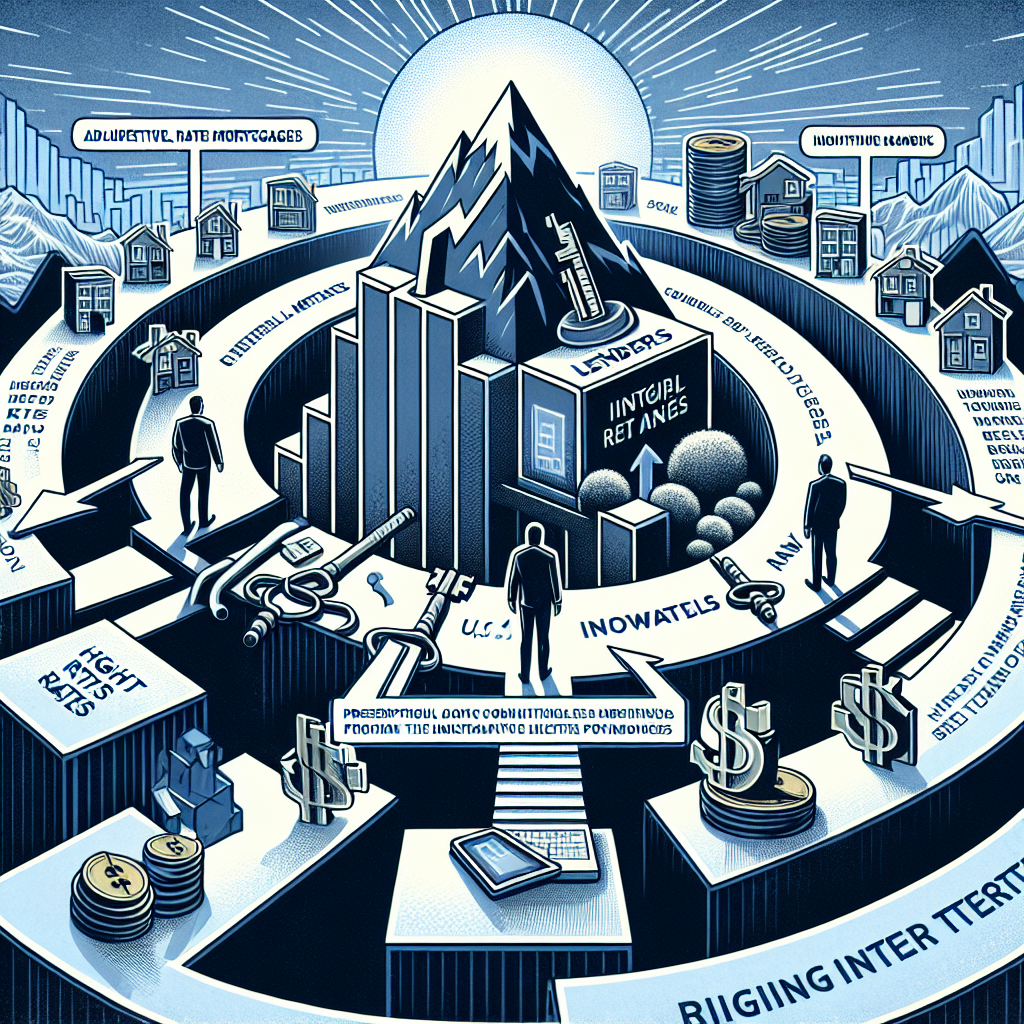
 The U.S. mortgage industry is adapting to rising interest rates, transforming lending strategies, and borrower behaviors. This article explores the implications for lenders and borrowers, offering insights into new trends and strategies.
The U.S. mortgage industry is currently navigating through a challenging period as it adjusts to rising interest rates. This trend has spurred changes in lending strategies and consumer behavior, impacting both lenders and borrowers.
Rising interest rates have been a significant concern for borrowers seeking to finance their homes. Many prospective homebuyers are facing higher monthly payments, which has affected their purchasing power. As a result, lenders are exploring innovative solutions to support these borrowers while maintaining profitability.
One approach that has gained traction is the offering of adjustable-rate mortgages (ARMs). These mortgages typically start with lower initial rates, appealing to buyers who anticipate a drop in rates in the coming years. However, borrowers must be mindful of potential rate hikes in the future, which could lead to higher payments.
Lenders are also prioritizing technology to streamline the application process, making it quicker and more efficient. Digital lending platforms have become increasingly popular, allowing borrowers to complete loan applications, submit documents, and track their application's progress online. This not only enhances the borrower experience but also helps lenders manage operational costs.
Despite the challenges, there are opportunities in the market for refinances. Homeowners with existing mortgages are considering refinancing options to lock in lower rates before further increases occur. This trend provides a potential boost for lenders focusing on refinance transactions.
A noteworthy concern during this period is ensuring affordability and maintaining stringent lending standards. The previous subprime mortgage crisis serves as a cautionary tale, highlighting the importance of maintaining responsible lending practices. Lenders are exercising due diligence, carefully assessing borrowers’ creditworthiness to avoid similar pitfalls.
These industry changes are reminiscent of the financial reforms observed during my tenure at top firms like Deloitte and PwC, where adaptability was key. As the landscape evolves, lenders must embrace new strategies, prioritize technological advancements, and protect themselves from undue risks.
As the U.S. mortgage industry continues to adapt to these changing dynamics, ongoing analysis and adaptation are vital. Lenders must remain vigilant and proactive, with a focus on sustainable growth and consumer support.
-
 Emerging Trends in Commercial Lending: A New Era of Opportunities Explore the latest trends in commercial lending, focusing on technology-driven solutions and the rise of sustainable finance. Learn about new opportunities for businesses and lenders.
Estimated reading time: 1 minute, 52 seconds
Mortgage Industry Adapts to Rising Interest Rates Featured
MOST READ STORIES



Fast,Easy & Free